


When it comes to operating ball valves in a cryogenic environment, there are several special considerations that cannot be overlooked. As a ball valve supplier, I have witnessed firsthand the unique challenges and requirements that these extreme conditions present. In this blog, I will delve into the key factors that need to be taken into account when using ball valves in cryogenic applications.
Material Selection
One of the most critical aspects of using ball valves in a cryogenic environment is the selection of appropriate materials. Cryogenic temperatures can cause materials to become brittle and lose their mechanical properties, which can lead to valve failure. Therefore, it is essential to choose materials that can withstand the low temperatures without compromising their integrity.
Stainless steel is a popular choice for cryogenic ball valves due to its excellent corrosion resistance and low-temperature toughness. Grades such as 304L and 316L are commonly used because they have a high nickel content, which helps to maintain their ductility at low temperatures. Additionally, these materials are resistant to stress corrosion cracking, which is a common problem in cryogenic applications.
Another material option for cryogenic ball valves is titanium. Titanium has a low density, high strength-to-weight ratio, and excellent corrosion resistance, making it an ideal choice for applications where weight is a concern. However, titanium is more expensive than stainless steel, so it may not be the most cost-effective option for all applications.
In addition to the valve body material, the seat and seal materials also need to be carefully selected. The seat and seal materials must be able to maintain a tight seal at cryogenic temperatures without hardening or losing their elasticity. PTFE (polytetrafluoroethylene) is a commonly used seat and seal material for cryogenic ball valves because it has excellent chemical resistance and low-temperature flexibility. However, PTFE can be prone to cold flow, which can cause the seal to leak over time. To address this issue, some manufacturers use modified PTFE materials or other high-performance polymers that are specifically designed for cryogenic applications.
Design Considerations
The design of the ball valve also plays a crucial role in its performance in a cryogenic environment. One of the key design considerations is the valve's ability to handle thermal contraction. As the temperature drops, the valve components will contract, which can cause stress on the valve body and connections. To prevent this, the valve design should allow for thermal expansion and contraction without causing damage to the valve.
One way to achieve this is by using a floating ball design. In a floating ball valve, the ball is free to move within the valve body, which allows it to adjust to changes in temperature and pressure. This design helps to reduce stress on the valve body and connections, which can improve the valve's reliability and longevity.
Another design consideration is the valve's stem packing. The stem packing is responsible for preventing leakage around the valve stem. At cryogenic temperatures, the stem packing can become brittle and lose its ability to seal properly. To address this issue, some manufacturers use special stem packing materials that are designed to maintain their flexibility and sealing properties at low temperatures.
In addition to the valve design, the installation and maintenance of the ball valve also need to be carefully considered. The valve should be installed in a location where it is protected from extreme temperatures and environmental conditions. It is also important to follow the manufacturer's installation and maintenance instructions to ensure that the valve is operating properly.
Testing and Certification
Before using a ball valve in a cryogenic environment, it is important to ensure that the valve has been tested and certified to meet the relevant standards. There are several standards that apply to cryogenic ball valves, including API 6D, ISO 14313, and ASME B16.34. These standards specify the requirements for valve design, materials, manufacturing, testing, and certification.

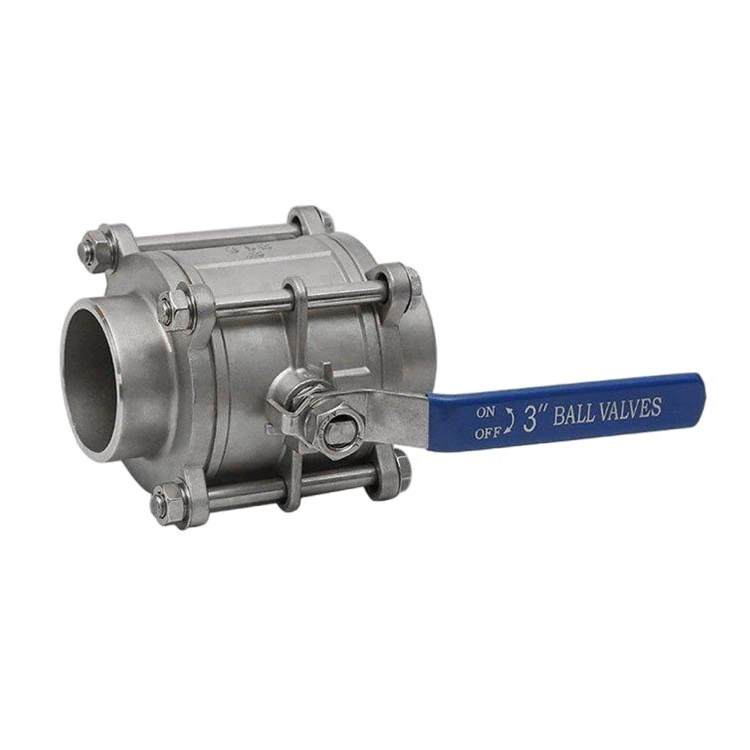
Testing is an essential part of the valve certification process. The valve should be tested at cryogenic temperatures to ensure that it meets the specified performance requirements. The testing should include pressure testing, leakage testing, and operation testing to ensure that the valve can operate properly at cryogenic temperatures.
In addition to the standard testing requirements, some applications may require additional testing or certification. For example, applications in the aerospace or nuclear industries may require more rigorous testing and certification to ensure the safety and reliability of the valve.
Operational Considerations
Once the ball valve is installed and in operation, there are several operational considerations that need to be taken into account. One of the key considerations is the valve's operating temperature range. The valve should be operated within its specified temperature range to ensure that it performs properly and does not suffer from damage or failure.
Another operational consideration is the valve's operating pressure. The valve should be operated within its specified pressure range to prevent overloading the valve and causing damage. It is also important to monitor the valve's pressure and temperature during operation to ensure that they remain within the specified limits.
In addition to the operating temperature and pressure, the valve's flow rate and flow direction also need to be considered. The valve should be designed and installed to handle the expected flow rate and flow direction. It is also important to ensure that the valve is properly sized for the application to prevent excessive pressure drop or flow restriction.
Conclusion
Using ball valves in a cryogenic environment requires careful consideration of several factors, including material selection, design, testing, and operation. By choosing the right materials, designing the valve for thermal contraction, testing the valve to meet the relevant standards, and operating the valve within its specified limits, you can ensure that the ball valve performs properly and reliably in a cryogenic environment.
As a ball valve supplier, we understand the unique challenges and requirements of cryogenic applications. We offer a wide range of ball valves that are specifically designed for cryogenic environments, including One-piece Ball Valve, Two-piece Ball Valve, and Three-piece Ball Valve. Our valves are made from high-quality materials and are rigorously tested to ensure that they meet the highest standards of performance and reliability.
If you are looking for a ball valve for a cryogenic application, we would be happy to discuss your requirements and provide you with a customized solution. Contact us today to learn more about our products and services and to start the procurement process.
References
- API 6D: Specification for Pipeline Valves
- ISO 14313: Petroleum, petrochemical and natural gas industries - Steel gate, globe and check valves
- ASME B16.34: Valves - Flanged, Threaded, and Welded End


