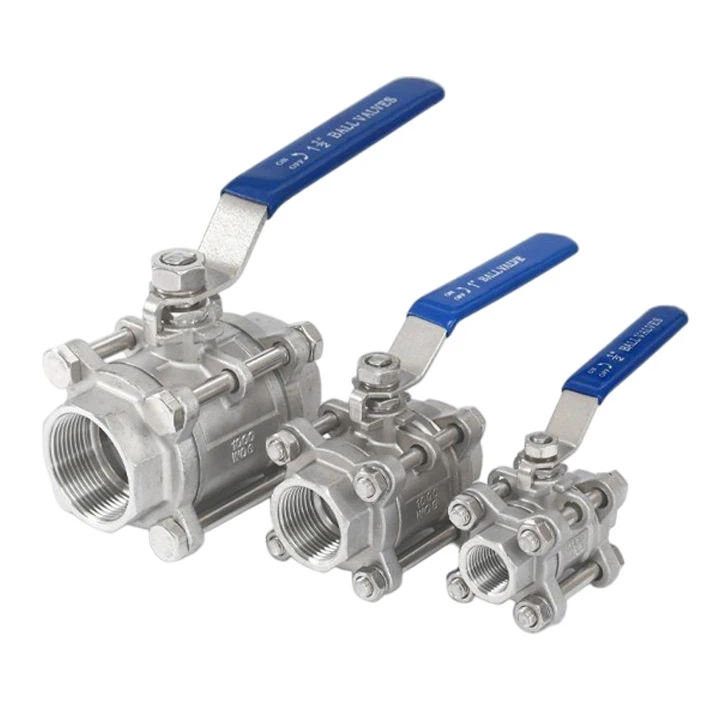
The production process of rising stem gate valve mainly includes the following key steps:
Material selection: The main materials of rising stem gate valve include cast iron, carbon steel, stainless steel, etc. Selecting the right material is the basis for ensuring the quality of the valve. When purchasing, you need to choose a reputable supplier to ensure that the chemical composition and mechanical properties of the material meet national standards and design requirements.
Casting process: For parts with complex shapes, such as valve bodies and valve covers, casting methods are usually used. During the casting process, the casting temperature, speed and time need to be controlled to prevent defects such as pores and sand holes. After the casting is formed, flaw detection is required to ensure quality.
Machining: The blank after casting or forging needs to be machined, including rough machining and fine machining. Rough machining removes most of the excess, and fine machining meets the design size and precision requirements. In particular, the machining accuracy of the sealing surface directly affects the sealing performance of the valve.
Heat treatment: In order to improve the mechanical properties of parts, such as hardness, toughness and corrosion resistance, heat treatment is required. Common heat treatment processes include quenching, tempering and normalizing. During the heat treatment process, the heating speed, holding time and cooling speed must be strictly controlled.
Surface treatment: Surface treatment is required to improve the corrosion resistance and aesthetics of the valve. Common surface treatment methods include electroplating and spraying.
Assembly and testing: After the components are assembled, strict pressure testing is required to detect the sealing performance and pressure resistance of the valve. Ensure that the valve can work safely and reliably under various working conditions.
Structural composition of rising stem gate valve: The rising stem gate valve consists of a ductile iron valve body, a valve core, a valve cover and a stainless steel valve shaft. The valve core controls the on and off of the fluid by lifting and lowering, with a compact structure and convenient operation.