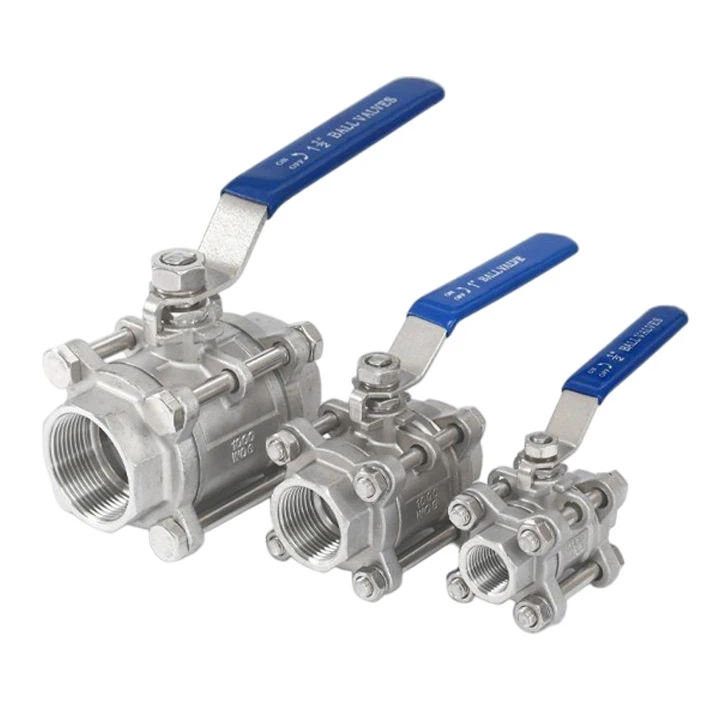
The production process of knife gate valve mainly includes the following steps:
**Raw material procurement and inspection: High-quality raw materials are the basis for producing high-quality knife gate valves. Common materials include carbon steel, stainless steel, alloy steel, etc. When purchasing, you need to choose a reputable supplier to ensure that the chemical composition and mechanical properties of the materials meet national standards and design requirements. After the raw materials arrive, they must be strictly inspected, the chemical composition is detected by spectral analysis, the hardness is tested with a hardness tester, and the key materials are also required to be metallographically analyzed to ensure that the material structure is uniform and defect-free.
Forging and casting:
**Forging: For gate valve parts that withstand high pressure and large diameter, forging technology is often used. The raw materials are heated to a suitable temperature, and pressure is applied through the forging equipment to cause plastic deformation, thereby improving the internal structure of the metal and improving the mechanical properties. The forging ratio and forging temperature must be strictly controlled during the forging process to ensure the quality of the forging. After forging, the blank must be inspected for defects such as internal cracks.
**Casting: Casting is a common method for gate valve parts with complex shapes, such as valve bodies and valve covers. Make a mold that matches the shape of the part, pour the molten metal into the mold cavity, and wait for it to cool and solidify to obtain the required casting. During the casting process, the casting temperature, speed and time must be controlled to prevent casting defects such as pores and sand holes. After the casting is formed, flaw detection is also required to ensure quality.
Machining:
**Rough machining: The forged or cast blank needs to be machined to meet the design size and accuracy requirements. Most of the excess is removed through turning, milling and other processes to leave a suitable machining allowance for subsequent finishing.
**Finishing: After rough machining, the parts enter the finishing stage, and high-precision machining equipment and tools are used to finely machine the key parts of the parts, such as sealing surfaces and connecting surfaces. The machining accuracy of the sealing surface directly affects the sealing performance of the gate valve, and usually needs to meet extremely high surface roughness and flatness requirements. After finishing, the parts are tested for dimensional accuracy and form and position tolerance to ensure that they meet the design drawing standards.
**Heat treatment: To improve the mechanical properties of gate valve parts, such as improving hardness, toughness and corrosion resistance, heat treatment is required. Common heat treatment processes include quenching, tempering, normalizing, etc. Select appropriate heat treatment processes and parameters according to the material and performance requirements of the parts. During the heat treatment process, the heating rate, holding time and cooling rate must be strictly controlled to ensure the stability of the heat treatment effect.
**Surface treatment: To improve the corrosion resistance and aesthetics of the gate valve, surface treatment is required. For example, a five-axis linkage CNC machine tool is used to mirror polish the sealing surface, and the surface roughness is controlled within Ra0.8 microns to ensure zero leakage between the gate and the valve seat.
**Assembly pressure test: During the assembly process, the "three inspection system" is followed: workers use a laser coaxiality detector for self-inspection to ensure that the parallelism error of the gate guide is ≤0.02mm; the sealing performance is verified by a helium mass spectrometer leak detector during the mutual inspection stage; and the special inspector uses a simulated working condition test bench for the final 72-hour fatigue test.