


Can a ball valve be used for liquid applications?
In the realm of fluid control systems, the question of whether a ball valve can be used for liquid applications is a common one. As a ball valve supplier, I am well - versed in the capabilities and limitations of these essential components, and I'm here to provide a comprehensive answer.
Ball valves are a type of quarter - turn valve that uses a hollow, perforated, and pivoting ball to control the flow of fluid through it. When the ball's hole is in line with the flow path, the valve is open, allowing the liquid to pass through. When the ball is rotated a quarter - turn (90 degrees), the solid part of the ball blocks the flow path, shutting off the flow.
One of the primary advantages of using ball valves for liquid applications is their excellent sealing capabilities. The spherical shape of the ball provides a tight seal against the valve seats, minimizing leakage. This is crucial in liquid systems, especially when dealing with hazardous or expensive fluids. For example, in chemical processing plants, where even a small leak can lead to safety hazards and significant financial losses, ball valves are often the go - to choice due to their reliable sealing.
Another benefit is their quick - acting nature. A simple quarter - turn operation can fully open or close the valve, which is highly beneficial in applications where rapid flow control is required. In firefighting systems, for instance, ball valves can be used to quickly shut off or redirect the flow of water to different areas of a building, ensuring an efficient response to a fire emergency.
Ball valves also offer low flow resistance. The smooth bore of the ball when the valve is open allows the liquid to flow through with minimal obstruction. This results in less energy loss in the system, which is not only cost - effective but also reduces wear and tear on pumps and other components. In water distribution networks, low - resistance ball valves help maintain a consistent water pressure throughout the system, improving overall efficiency.
There are different types of ball valves available, each with its own characteristics suitable for various liquid applications.
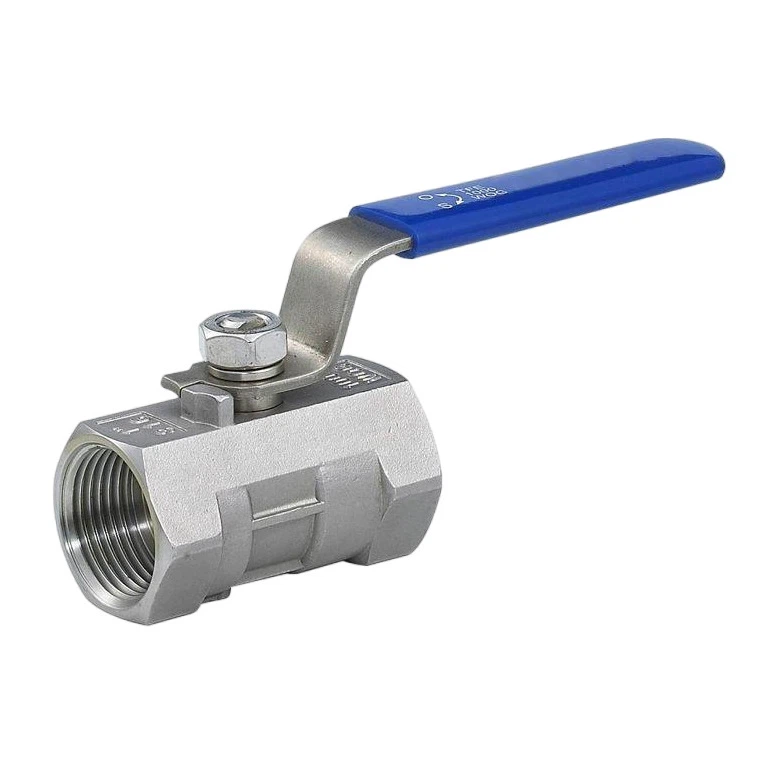
The One - piece Ball Valve is a simple and cost - effective option. It is typically a non - repairable valve, which means it is often used in applications where the cost of replacement is lower than the cost of repair. One - piece ball valves are commonly found in domestic plumbing systems, such as in faucets and small water lines within a house.
The Two - piece Ball Valve offers more flexibility. It can be disassembled for maintenance and repair, making it a good choice for applications where the valve may need servicing over time. In industrial liquid handling systems, two - piece ball valves are often used because they can withstand the rigors of continuous operation and can be easily maintained to ensure long - term performance.
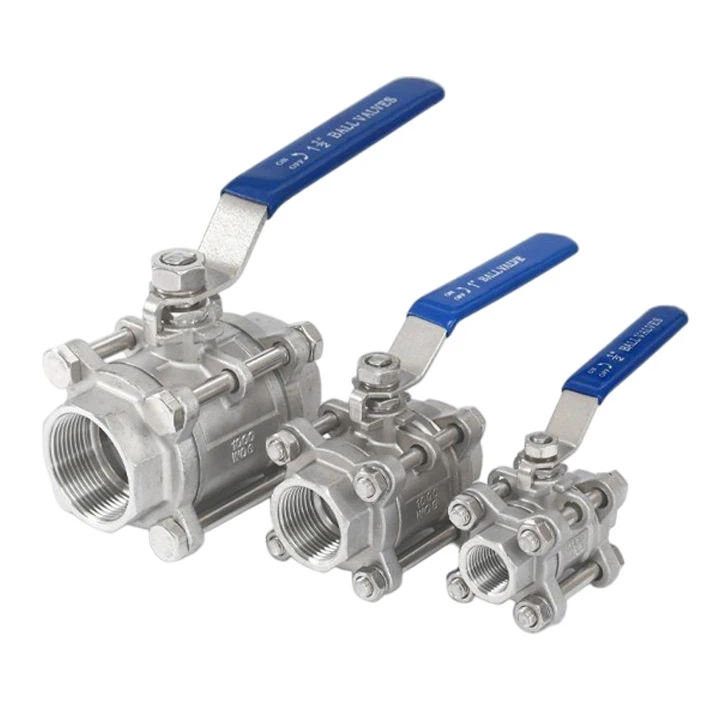
The Three - piece Ball Valve provides the highest level of serviceability. The middle section of the valve can be removed without disturbing the pipeline connections, allowing for easy access to the ball and seats for cleaning, inspection, or replacement. Three - piece ball valves are commonly used in high - pressure and high - temperature liquid applications, such as in oil refineries and power plants.
However, it's important to note that there are also some considerations when using ball valves for liquid applications. One potential issue is the build - up of debris or sediment in the valve. In systems where the liquid contains particles, these can accumulate in the valve, affecting its performance and sealing ability. To mitigate this, strainers can be installed upstream of the ball valve to filter out the debris.
In applications where the liquid has a high viscosity, such as in some oil or syrup processing, ball valves may require more torque to operate. Specialized ball valves with larger actuators or different seat materials may be needed to ensure smooth operation.
In conclusion, ball valves are highly suitable for a wide range of liquid applications. Their excellent sealing, quick - acting operation, and low flow resistance make them a popular choice in many industries, from domestic plumbing to large - scale industrial processes. Whether you need a simple one - piece ball valve for a small - scale project or a more complex three - piece ball valve for a high - performance system, we have the expertise and products to meet your needs.
If you are in the market for ball valves for your liquid applications, we invite you to reach out to us. Our team of experts can assist you in selecting the right type of ball valve for your specific requirements, ensuring optimal performance and reliability in your system.
References
- "Valve Handbook: Principles and Applications" by Thangavelu Rajakumar
- "Fluid Mechanics and Thermodynamics of Turbomachinery" by S. L. Dixon and C. A. Hall
- Industry standards and guidelines from relevant organizations such as the American Society of Mechanical Engineers (ASME)


