


Hey there! As a supplier of Two - piece Ball Valves, I often get asked if these valves can be used for natural gas distribution networks. Well, let's dive right into this topic and break it down.
First off, what exactly is a Two - piece Ball Valve? A Two - piece Ball Valve is a type of valve that consists of two main parts. The design is pretty straightforward. It has a ball inside with a hole in the middle. When the ball is turned, the hole aligns with the pipe, allowing the flow of fluid (in this case, natural gas). When it's turned the other way, the solid part of the ball blocks the flow.
Now, when it comes to natural gas distribution networks, there are a bunch of requirements that any valve used in these systems has to meet. Safety is, of course, the number one priority. Natural gas is highly flammable, so we need to make sure that the valves can handle the pressure and prevent any leaks.
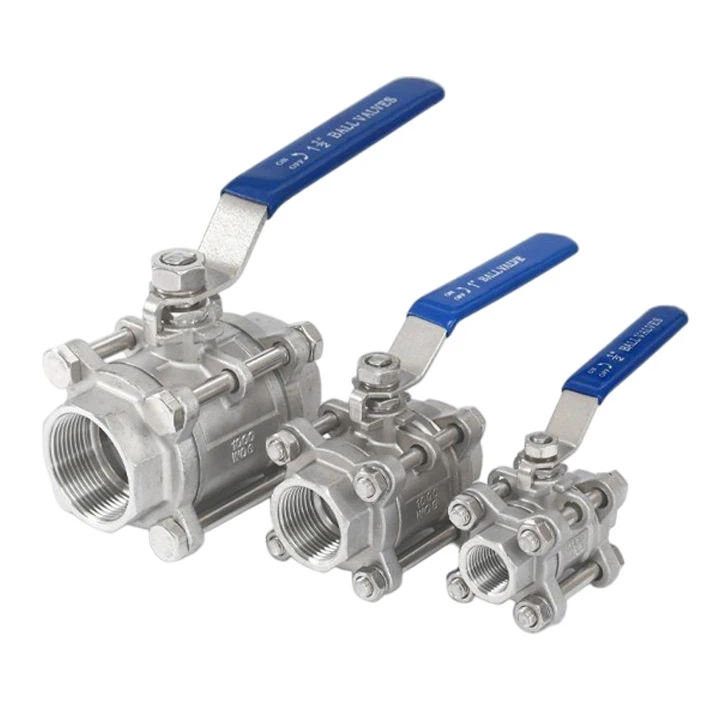
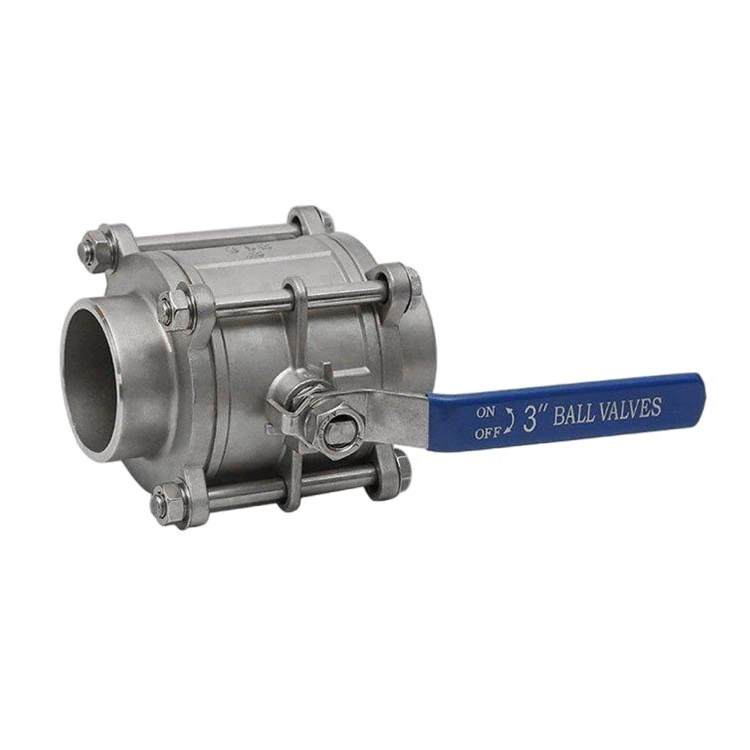
One of the great things about two - piece ball valves is their durability. They're made to withstand high pressures and harsh environments. In natural gas distribution networks, the pressure can vary quite a bit depending on the location and the part of the network. Two - piece ball valves are designed to handle these pressure fluctuations without breaking down. They can also resist corrosion, which is crucial since natural gas can sometimes contain small amounts of corrosive substances.
Another important factor is the sealing ability. A good seal is essential to prevent any gas from leaking out. Two - piece ball valves usually have excellent sealing properties. The ball and the seat of the valve are designed to fit together tightly, creating a reliable seal. This helps to maintain the integrity of the natural gas distribution network and reduces the risk of gas leaks, which can be extremely dangerous.
But it's not all perfect. There are some situations where other types of valves might be a better choice. For example, if you need a valve that can be easily disassembled for maintenance or repair, a Three - piece Ball Valve might be a better option. Three - piece ball valves can be taken apart more easily than two - piece ball valves, which makes it quicker to replace any worn - out parts.
On the other hand, if cost is a major concern and you don't need a valve that can be disassembled, a One - piece Ball Valve could be considered. One - piece ball valves are generally cheaper than two - piece ball valves, but they're not as easy to repair if something goes wrong.
When deciding whether to use a two - piece ball valve in a natural gas distribution network, you also need to consider the installation process. Two - piece ball valves are relatively easy to install, but you still need to make sure that the installation is done correctly. Any mistakes during installation can lead to problems later on, such as leaks or improper operation.
In addition to the technical aspects, there are also regulatory requirements that need to be met. Different regions have different rules and standards for natural gas distribution systems. Before using a two - piece ball valve in a natural gas network, you need to make sure that it complies with all the relevant regulations. This might involve getting the valve tested and certified by a recognized authority.
So, can a two - piece ball valve be used for natural gas distribution networks? The answer is yes, in many cases. They offer a good balance of durability, sealing ability, and cost - effectiveness. However, you need to carefully consider the specific requirements of your natural gas distribution network, including pressure, maintenance needs, and regulatory compliance.
If you're in the market for a reliable valve for your natural gas distribution network, our two - piece ball valves are definitely worth considering. We've been in the business for a long time, and we know what it takes to provide high - quality valves that meet the strictest standards. Whether you're working on a small - scale local network or a large - scale industrial project, we can offer you the right solution.
If you're interested in learning more about our two - piece ball valves or have any questions about using them in your natural gas distribution network, don't hesitate to reach out. We're here to help you make the best decision for your project.
References
- Valve Handbook: Principles and Applications, Various Authors
- Standards for Natural Gas Distribution Systems, Industry Regulatory Bodies


