


What is the dynamic behavior of a two - piece ball valve during operation?
As a supplier of Two - piece Ball Valves, I've had the privilege of delving deep into the intricacies of these remarkable components. Two - piece ball valves are widely used in various industries due to their reliability, durability, and efficient flow control capabilities. Understanding their dynamic behavior during operation is crucial for engineers, technicians, and end - users alike.
Structural Overview of Two - piece Ball Valves
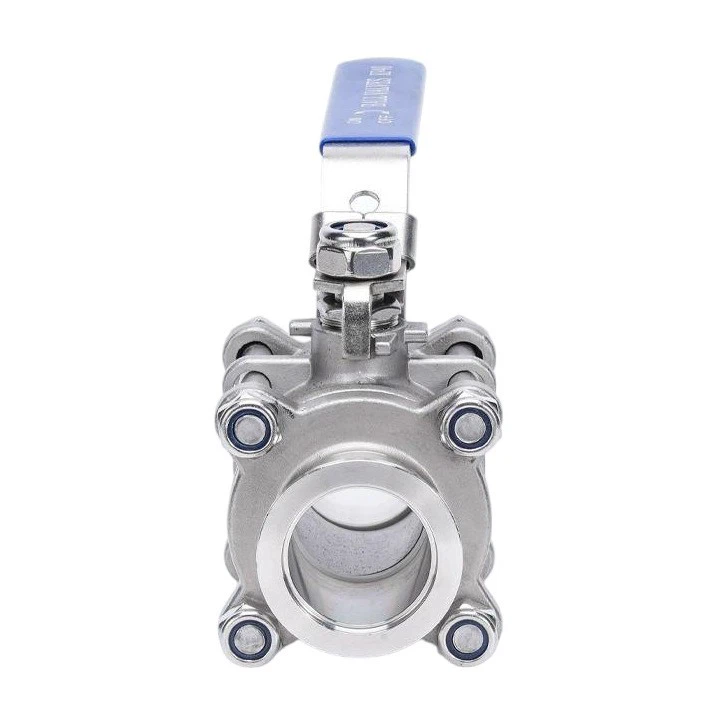
Before we explore the dynamic behavior, let's briefly understand the structure of a two - piece ball valve. A two - piece ball valve consists of two main body parts that are bolted or threaded together. Inside the valve body, there is a spherical ball with a hole in the center. The ball rotates within the valve seats to control the flow of fluid. The valve seats are typically made of materials like PTFE (Polytetrafluoroethylene) or other soft - seated materials, which provide a tight seal against the ball.
Compared to One - piece Ball Valve and Three - piece Ball Valve, the two - piece design offers a balance between ease of maintenance and cost - effectiveness. One - piece ball valves are generally less expensive but more difficult to repair, while three - piece ball valves are easier to disassemble and maintain but are more costly.
Opening and Closing Phases
The operation of a two - piece ball valve can be divided into two main phases: opening and closing.
Opening Phase
When the valve is in the closed position, the ball's hole is perpendicular to the flow path, blocking the fluid from passing through. As the operator begins to turn the valve handle or actuator, the ball starts to rotate. Initially, there is a high frictional force between the ball and the valve seats. This frictional force is due to the contact pressure between the ball and the seats, which is necessary to maintain a tight seal when the valve is closed.
As the ball rotates further, the fluid begins to enter the valve cavity. The fluid pressure starts to act on the ball, creating a hydrodynamic force. This hydrodynamic force helps to reduce the frictional force between the ball and the seats, making it easier to continue rotating the ball. Once the ball has rotated 90 degrees, the hole in the ball aligns with the flow path, and the valve is fully open. At this point, the fluid can flow freely through the valve with minimal resistance.
Closing Phase
The closing phase is essentially the reverse of the opening phase. As the operator turns the valve handle or actuator in the opposite direction, the ball starts to rotate back towards the closed position. Initially, the fluid flow continues to push against the ball, creating a hydrodynamic force that opposes the rotation of the ball. However, as the ball rotates further, the frictional force between the ball and the seats increases.
As the ball approaches the fully closed position, the valve seats start to compress against the ball, creating a tight seal. The contact pressure between the ball and the seats must be sufficient to prevent any leakage of fluid. Once the ball has rotated 90 degrees, the valve is fully closed, and the flow of fluid is blocked.
Flow Characteristics
The flow characteristics of a two - piece ball valve are an important aspect of its dynamic behavior. When the valve is fully open, the ball's hole provides a straight - through flow path, resulting in a low - pressure drop across the valve. This is one of the key advantages of ball valves over other types of valves, such as gate valves or globe valves, which typically have a higher pressure drop.
However, during the opening and closing phases, the flow characteristics change significantly. As the ball starts to rotate, the effective flow area through the valve changes. In the early stages of opening or closing, the flow area is small, which can lead to a high - velocity flow and a significant pressure drop. This high - velocity flow can cause cavitation, which is the formation and collapse of vapor bubbles in the fluid. Cavitation can damage the valve components, such as the ball and the seats, and can also lead to noise and vibration.
To minimize the effects of cavitation, it is important to control the opening and closing speed of the valve. In some applications, a slow - opening or slow - closing actuator may be used to ensure a smooth transition between the closed and open positions.
Factors Affecting Dynamic Behavior
Several factors can affect the dynamic behavior of a two - piece ball valve during operation.
Fluid Properties
The properties of the fluid flowing through the valve, such as its viscosity, density, and temperature, can have a significant impact on the valve's performance. For example, a high - viscosity fluid will require more force to move through the valve, resulting in a higher pressure drop. Similarly, a high - temperature fluid can cause the valve materials to expand, which can affect the contact pressure between the ball and the seats.
Operating Pressure
The operating pressure of the system also plays a crucial role in the dynamic behavior of the valve. Higher operating pressures increase the contact pressure between the ball and the seats, which can make it more difficult to open and close the valve. Additionally, high - pressure systems are more prone to cavitation, especially during the opening and closing phases.
Valve Size and Design
The size and design of the valve can also affect its dynamic behavior. Larger valves typically have a higher flow capacity but may require more force to operate. The design of the valve seats and the ball can also impact the frictional force and the sealing performance of the valve.
Maintenance and Monitoring
To ensure the reliable operation of a two - piece ball valve, regular maintenance and monitoring are essential. Maintenance tasks may include inspecting the valve seats for wear and damage, lubricating the valve stem, and checking the actuator for proper operation.
Monitoring the valve's performance can be done using various techniques, such as pressure sensors, flow meters, and vibration sensors. Pressure sensors can be used to measure the pressure drop across the valve, which can indicate any blockages or abnormal flow conditions. Flow meters can be used to measure the flow rate through the valve, ensuring that it is within the design specifications. Vibration sensors can detect any excessive vibration, which may be a sign of cavitation or other problems.
Conclusion
In conclusion, the dynamic behavior of a two - piece ball valve during operation is a complex process that involves the interaction of mechanical, hydrodynamic, and material factors. Understanding the opening and closing phases, flow characteristics, and the factors that affect the valve's performance is crucial for ensuring its reliable operation.
As a supplier of Two - piece Ball Valves, we are committed to providing high - quality valves that meet the specific needs of our customers. Whether you are looking for a valve for a low - pressure water system or a high - pressure oil and gas application, we have the expertise and experience to help you select the right valve.
If you are interested in purchasing two - piece ball valves or have any questions about their operation and performance, please feel free to contact us for a detailed discussion. We look forward to working with you to find the best valve solutions for your applications.

References
- Perry, R. H., & Green, D. W. (1997). Perry's Chemical Engineers' Handbook. McGraw - Hill.
- Valves Handbook: Selection and Sizing. (2004). Elsevier.
- ASME B16.34 - 2017, Valves - Flanged, Threaded, and Welding End.


