


Hey there! As a supplier of Two-piece Ball Valves, I've had my fair share of experiences dealing with these nifty little devices. Today, I'm gonna break down the different connection types of two-piece ball valves for you.
First off, let's talk about what a two-piece ball valve is. A Two-piece Ball Valve is a type of valve that consists of two main parts, which are usually connected together. It's a popular choice in many industries because it offers a good balance between durability, performance, and cost.
Threaded Connections
One of the most common connection types for two-piece ball valves is the threaded connection. Threaded connections are super easy to install and remove, which makes them a great option for applications where you might need to do some maintenance or replacement down the line.
There are two main types of threaded connections: NPT (National Pipe Thread) and BSP (British Standard Pipe). NPT is widely used in North America, while BSP is more common in Europe and other parts of the world.
When you're using a threaded connection, it's important to make sure you use the right thread sealant. This helps prevent leaks and ensures a tight, secure connection. Teflon tape is a popular choice for sealing threaded connections, but there are also other types of sealants available.
The advantage of threaded connections is that they're relatively inexpensive and easy to work with. You don't need any special tools to install or remove a threaded two-piece ball valve. However, they might not be the best choice for high-pressure applications, as the threads can sometimes loosen over time.
Flanged Connections
Flanged connections are another popular option for two-piece ball valves. A flanged connection consists of two flanges that are bolted together, with the valve sandwiched in between.
Flanged connections are great for high-pressure and high-temperature applications. They provide a very secure and leak-proof connection, which is crucial in industries like oil and gas, chemical processing, and power generation.
There are different types of flanges available, such as weld neck flanges, slip-on flanges, and socket weld flanges. The type of flange you choose will depend on the specific requirements of your application.
Installing a flanged two-piece ball valve can be a bit more complicated than a threaded connection. You need to make sure the flanges are properly aligned and the bolts are tightened to the correct torque. But once it's installed, a flanged connection is very reliable and can last for a long time.
Welded Connections
Welded connections are used when you need a permanent, leak-proof connection. In a welded connection, the valve is welded directly to the pipeline.
Welded connections are commonly used in applications where the valve needs to withstand high pressures and temperatures, and where there's a risk of leakage. They're also used in applications where the pipeline needs to be completely sealed, such as in nuclear power plants or in the food and beverage industry.
The advantage of welded connections is that they provide a very strong and reliable connection. There's no risk of the valve coming loose or leaking. However, the downside is that they're permanent. Once the valve is welded in place, it can't be easily removed or replaced.
Compression Connections
Compression connections are a type of connection that uses a compression fitting to create a seal. In a compression connection, the valve is inserted into a compression fitting, and then a nut is tightened to compress the fitting around the valve.
Compression connections are easy to install and can be used in a variety of applications. They're commonly used in plumbing and HVAC systems, as well as in some industrial applications.
The advantage of compression connections is that they're relatively easy to install and remove. You don't need any special tools, just a wrench to tighten the nut. However, they might not be suitable for high-pressure applications, as the compression fitting can sometimes loosen over time.
Comparison of Connection Types
Now that we've talked about the different connection types, let's compare them.
- Threaded Connections: Easy to install and remove, inexpensive, but not suitable for high-pressure applications.
- Flanged Connections: Secure and leak-proof, suitable for high-pressure and high-temperature applications, but more complicated to install.
- Welded Connections: Permanent and leak-proof, suitable for high-pressure and high-temperature applications, but can't be easily removed or replaced.
- Compression Connections: Easy to install and remove, suitable for a variety of applications, but not suitable for high-pressure applications.
When choosing a connection type for your two-piece ball valve, you need to consider the specific requirements of your application. Think about factors like pressure, temperature, the type of fluid or gas being transported, and the need for maintenance or replacement.
Other Related Ball Valves
Before we wrap up, I want to mention a couple of other types of ball valves that you might be interested in. There's the One-piece Ball Valve, which is a single-piece valve that's very simple and inexpensive. It's often used in low-pressure applications.
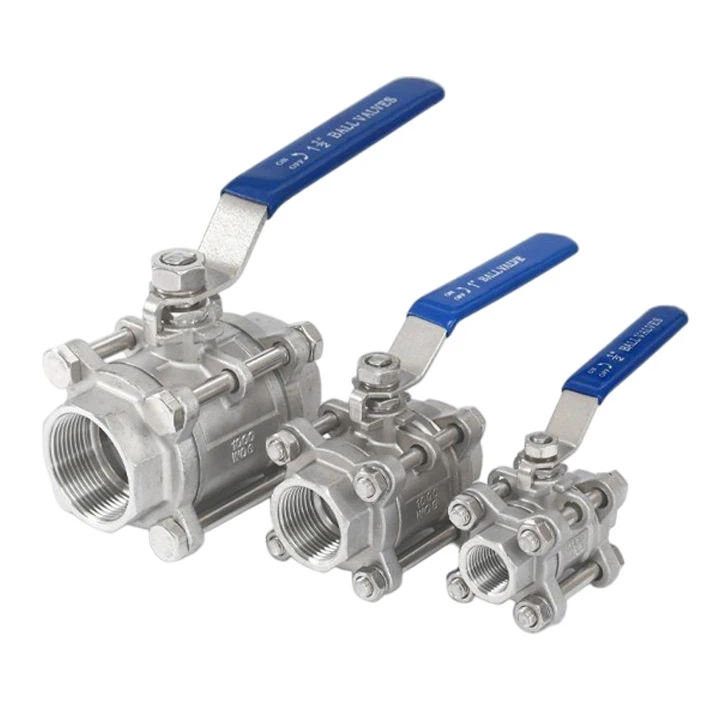
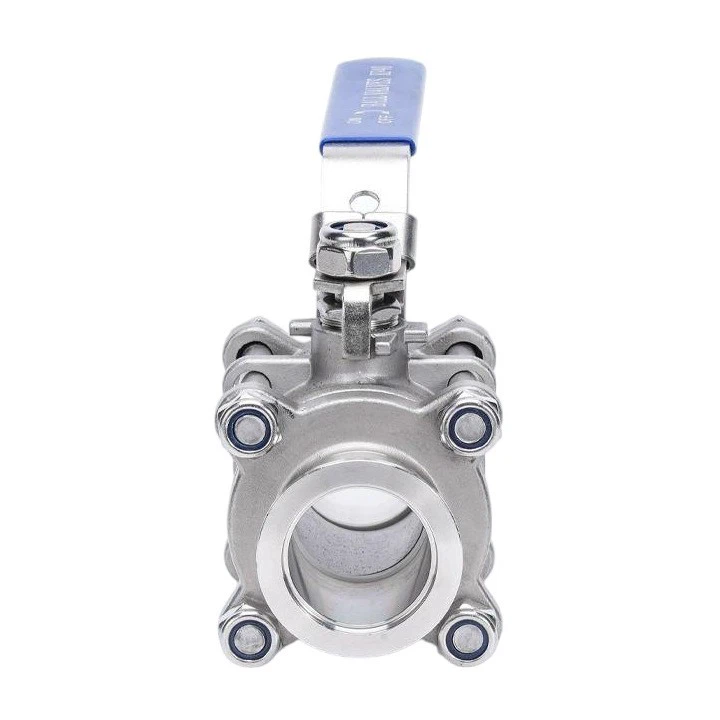
Then there's the Three-piece Ball Valve. A three-piece ball valve consists of three parts, which makes it easier to disassemble and clean. It's a popular choice in applications where you need to do regular maintenance on the valve.
Conclusion
So, there you have it! The different connection types of two-piece ball valves. Each connection type has its own advantages and disadvantages, and the right choice depends on your specific application.
If you're in the market for a two-piece ball valve or have any questions about the connection types, feel free to reach out. We're here to help you find the best solution for your needs. Whether you need a threaded, flanged, welded, or compression connection, we've got you covered.
References
- Valve Handbook, Various Authors
- Industrial Valve Standards, Industry Publications


