


Hey there, folks! Today, I'm gonna chat about energy - efficiency considerations for a three - piece ball valve in a HVAC system. As a supplier of Three - piece Ball Valve, I've seen firsthand how these valves can make a big difference in energy consumption and system performance.
First off, let's understand what a three - piece ball valve is. It's a type of valve that consists of three main parts: two end caps and a body that houses the ball. This design allows for easy maintenance and repair, as the valve can be disassembled without removing it from the pipeline. Compared to One - piece Ball Valve and Two - piece Ball Valve, the three - piece design offers more flexibility when it comes to servicing.
Now, let's dig into the energy - efficiency aspects. In a HVAC system, energy efficiency is all about getting the most out of the energy you use. A well - chosen three - piece ball valve can play a crucial role in achieving this goal.
Flow Control
One of the key factors in energy efficiency is proper flow control. A three - piece ball valve can provide precise control over the flow of fluids in a HVAC system. When the valve is fully open, it offers a straight - through flow path with minimal resistance. This means that the pump or compressor in the HVAC system doesn't have to work as hard to push the fluid through the valve. Less work for the pump or compressor translates to lower energy consumption.
For example, in a chilled water system, if the three - piece ball valve is set to the correct position to allow just the right amount of water flow, the chiller doesn't have to over - cool or over - pressurize the system. This saves energy and also extends the lifespan of the chiller.
Leakage Prevention
Leakage in a valve can be a major energy waster. A high - quality three - piece ball valve is designed to have a tight seal, which reduces the chances of leakage. When there's no leakage, the system can maintain the desired pressure and flow rate without losing energy.
Imagine a hot water heating system. If there's a leak in the valve, hot water will escape, and the boiler will have to work continuously to make up for the lost water and heat. This not only wastes energy but also increases the operating costs. A well - sealed three - piece ball valve can prevent such leaks and keep the system running efficiently.
Material and Design
The material and design of the three - piece ball valve also impact energy efficiency. Valves made from high - quality materials like stainless steel are more durable and resistant to corrosion. This means they can maintain their performance over a longer period without degrading.
In terms of design, some three - piece ball valves have special features like low - friction seats. These seats reduce the force required to open and close the valve, which in turn reduces the energy needed to operate the valve actuator. Actuators are used to automate the opening and closing of the valve, and any reduction in the energy they consume contributes to overall system energy efficiency.
Compatibility with the HVAC System
It's essential to choose a three - piece ball valve that is compatible with the specific HVAC system. Different HVAC systems have different pressure, temperature, and flow requirements. A valve that is not properly sized or rated for the system can cause inefficiencies.
For instance, if a valve is too small for the system, it will create a high - pressure drop, forcing the pump to work harder. On the other hand, if the valve is too large, it may not provide accurate flow control. By selecting the right three - piece ball valve based on the system's specifications, you can ensure optimal energy efficiency.
Maintenance and Long - Term Performance
Regular maintenance of the three - piece ball valve is crucial for energy efficiency. Over time, dirt, debris, and corrosion can build up inside the valve, affecting its performance. A well - maintained valve will continue to provide accurate flow control and prevent leakage.
As a supplier, I always recommend that customers follow the manufacturer's maintenance guidelines. This may include periodic inspections, cleaning, and lubrication. By taking good care of the valve, you can ensure that it operates at peak efficiency for years to come.
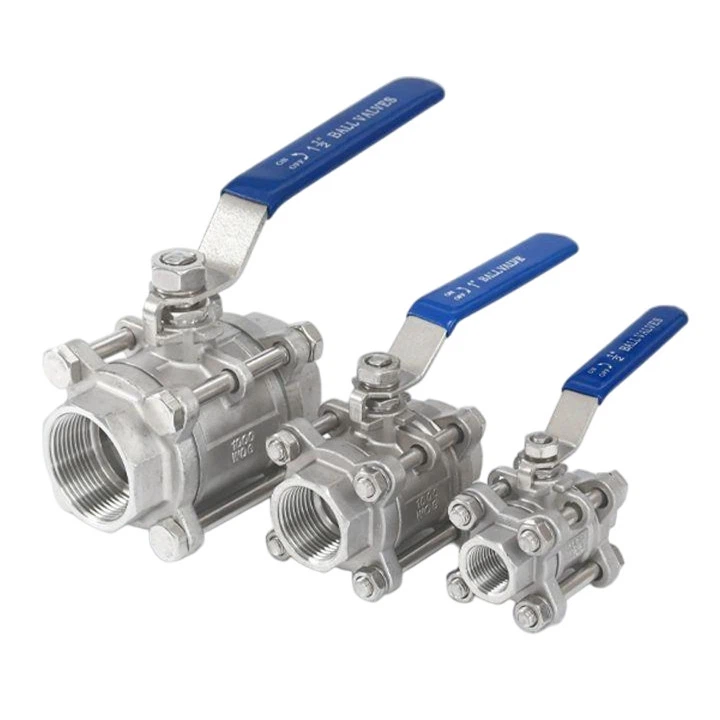
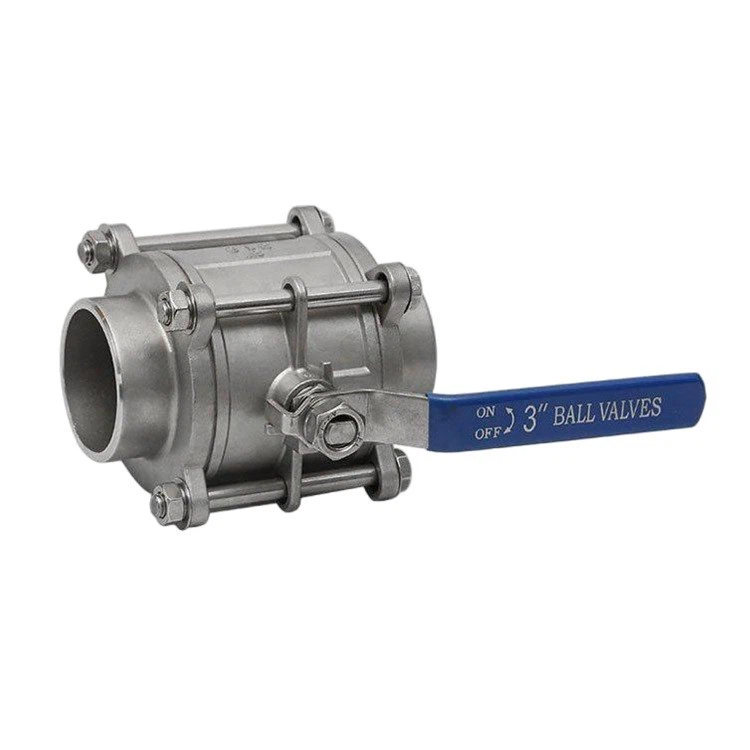
Comparison with Other Valve Types
Let's briefly compare three - piece ball valves with One - piece Ball Valve and Two - piece Ball Valve in terms of energy efficiency.
One - piece ball valves are generally less expensive but offer limited maintenance options. If there's a problem inside the valve, it may be difficult or impossible to repair, and you may have to replace the entire valve. This can lead to downtime and potentially higher energy consumption if the replacement is not carried out promptly.
Two - piece ball valves are more serviceable than one - piece valves but may not offer the same level of precision in flow control as three - piece ball valves. The three - piece design allows for more accurate adjustment and maintenance, which can result in better energy efficiency in the long run.
Conclusion
In conclusion, a three - piece ball valve can be a great choice for improving energy efficiency in a HVAC system. With its precise flow control, leakage prevention, and durability, it can help you save energy and reduce operating costs.
If you're in the market for a three - piece ball valve for your HVAC system, I'd love to have a chat with you. We have a wide range of high - quality three - piece ball valves that are designed to meet different HVAC system requirements. Whether you need a valve for a small residential HVAC system or a large commercial one, we can help you find the right solution.
Contact us to start the procurement process and let's work together to make your HVAC system more energy - efficient!
References
- ASHRAE Handbook - HVAC Systems and Equipment.
- Valve Manufacturers Association of America (VMAA) Technical Publications.


