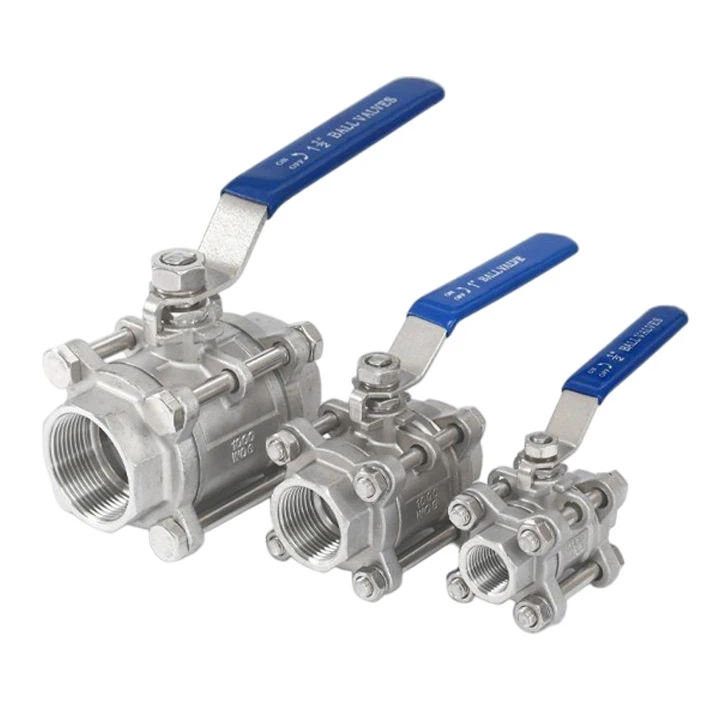
Common materials for concealed stem gate valves include ductile iron, cast steel, stainless steel and 316L. Each of these materials has its own characteristics and applicable scenarios:
Ductile iron: It has good mechanical properties and corrosion resistance and is suitable for a variety of industrial applications. Its strength is close to that of steel, and it has good toughness and elongation, and can withstand certain impact loads.
Cast steel: It is usually used in situations where higher mechanical strength and pressure resistance are required. Cast steel valves can withstand high pressures and have good wear resistance and stability, and are suitable for heavy-duty conditions in industries such as petroleum and chemical industry.
Stainless steel: It is mainly used in situations that require high corrosion resistance and cleanliness, such as food, pharmaceuticals and bioengineering. Stainless steel valves can resist corrosion from a variety of chemicals and maintain the purity of the fluid.
316L: A special type of stainless steel that contains molybdenum, which provides stronger corrosion resistance, especially to chlorides and other chemicals. This material of concealed stem gate valve is suitable for harsh conditions such as marine environments or chemical treatment plants.
In addition, the valve stem of concealed stem gate valves is usually made of stainless steel (such as 2CR13), and the valve stem of large-diameter valves should also be embedded with stainless steel. The nut material can be cast aluminum brass or cast aluminum bronze, which has greater hardness and strength than the valve stem. The hardness and strength of the valve stem bushing material should not be greater than the valve stem, and it should not form electrochemical corrosion with the valve stem and valve body when immersed in water.