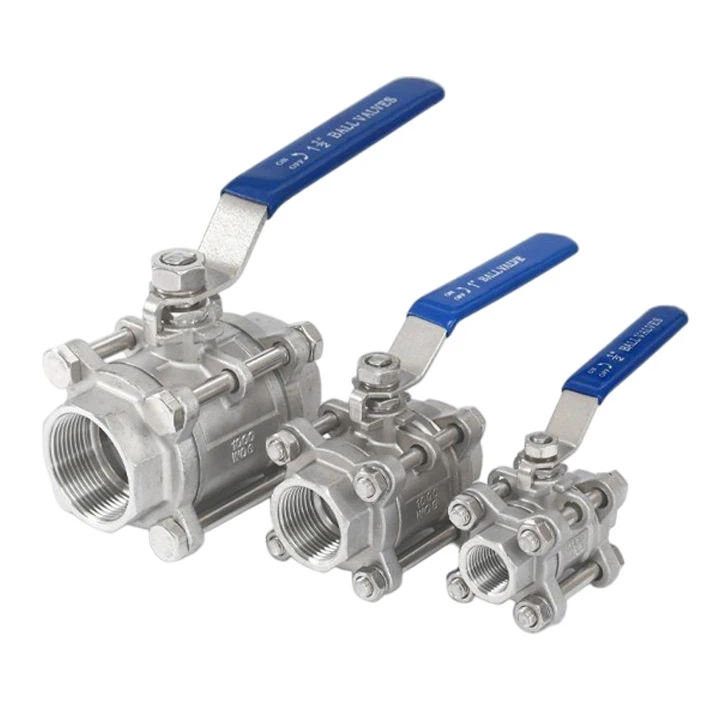
Tips for using the wafer butterfly valve mainly include installation, commissioning, operation and maintenance.
Installation tips
Preparation: First check whether the clamping ring, gasket and rubber seal are intact, and clean the debris and dirt in the valve and pipeline.
Installation valve: Place the clamping ring and gasket on the flange of the valve, install the rubber seal and nut, tighten the nut with a wrench to ensure that the valve is tightly connected to the pipeline.
Welding fixation: Weld the flange to the pipeline and fix it by spot welding. After cooling, install the butterfly valve in, ensure that the butterfly plate is opened a little, then correct the installation position of the butterfly valve, and tighten the bolts.
Debugging tips
Check for water leakage: Open the pipeline valve and check whether the clamping ring and gasket are leaking. If found, the nut should be tightened again.
Test opening and closing: Ensure that the butterfly valve's butterfly plate can open and close freely, cross-tighten the bolts, tighten them evenly, test the opening and closing function of the butterfly valve, and ensure that the valve can open and close freely.
Operation skills
Manual operation: Control the opening and closing of the butterfly valve by manual device. Do not use excessive force to avoid damaging the valve and seals.
Electric operation: Control the opening and closing of the butterfly valve by electric device to ensure smooth operation and avoid sudden start or stop.
Maintenance skills
Regular inspection: Clean and maintain the valve regularly, check the internal condition of the valve, and ensure its normal operation and sealing.
Replace parts: Regularly check and replace worn parts such as seals and bearings to maintain the good performance of the valve.